Our Approach to Preventative Care
At Waukee Dental, we believe the foundation of a beautiful smile begins with strong bones and healthy gums. Preventative care is the cornerstone of everything we do—helping you maintain healthy teeth, catch problems early, and avoid more costly treatments down the road. Regular visits also give us the chance to screen for serious conditions like gum disease and oral cancer before they become bigger issues. We see patients of all ages, from a child’s very first visit to routine care for seniors, and we’ll help you find the right schedule to keep your whole family on track.
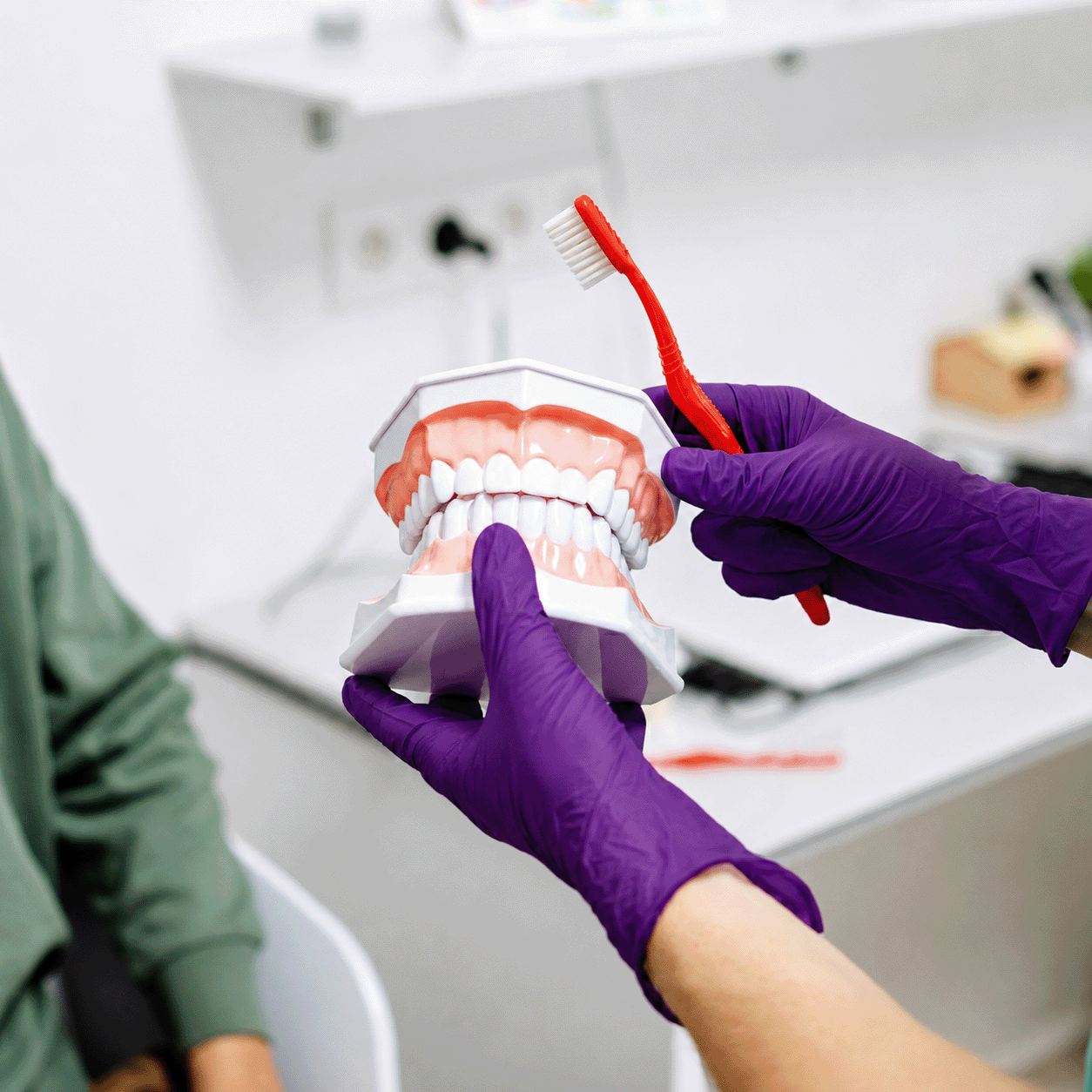

New Patient Exam
Your first visit sets the foundation for your care with us. Our comprehensive new patient exam gives us a full picture of your dental health so we can create a treatment plan tailored to you.
-
 Includes visual examination, charting, and periodontal probing
 -
 TMJ exam and oral cancer screening included
 -
 Full series of X-rays for anterior and posterior teeth
 -
 Cleaning completed same day if time allows
How long does a new patient exam take?
Plan for about 1.5 hours. We want to be thorough so we don’t miss anything, and so you leave with a clear understanding of your dental health.
How long does a new patient exam take?
Plan for about 1.5 hours. We want to be thorough so we don’t miss anything, and so you leave with a clear understanding of your dental health.
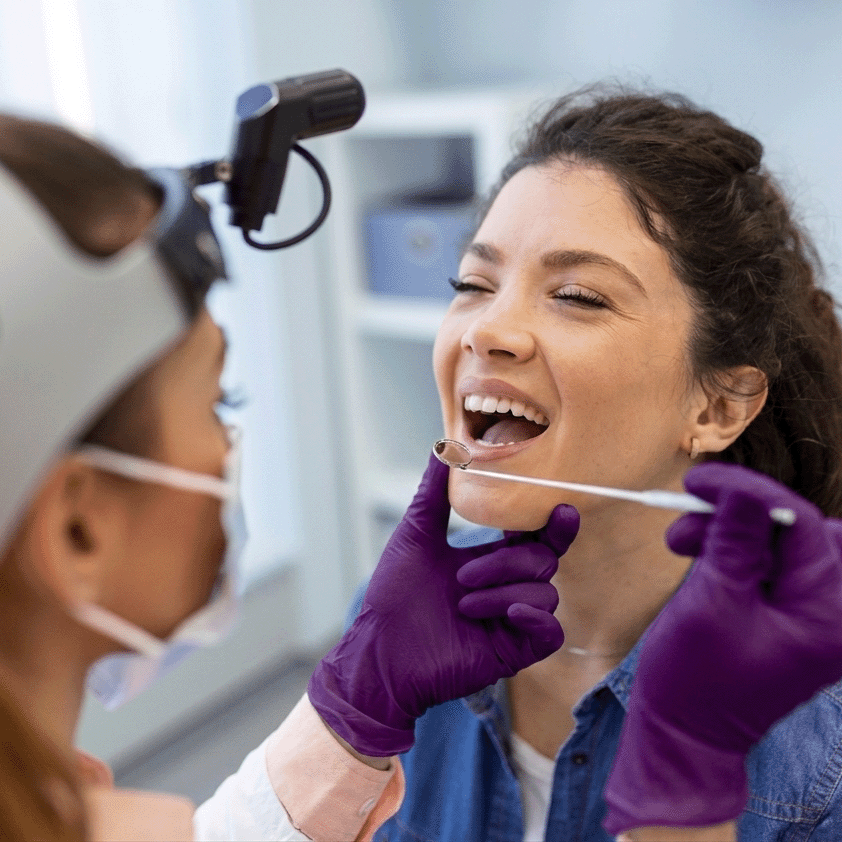
Oral Cancer Screenings
Early detection makes all the difference with oral cancer. A visual screening during your regular cleaning can often catch warning signs early, when treatment options are greatest. That’s one more reason not to skip your six-month checkup.
-
Performed during routine cleanings—no separate appointment needed
-
 Visual inspection to identify early warning signs
 -
 Early detection significantly improves treatment outcomes
 -
 Lifestyle factors like tobacco and alcohol use increase risk
How often should I have an oral cancer screening?
We recommend screenings every six months as part of your regular checkup. If you have specific risk factors, your dentist may advise more frequent screenings.
How often should I have an oral cancer screening?
We recommend screenings every six months as part of your regular checkup. If you have specific risk factors, your dentist may advise more frequent screenings.
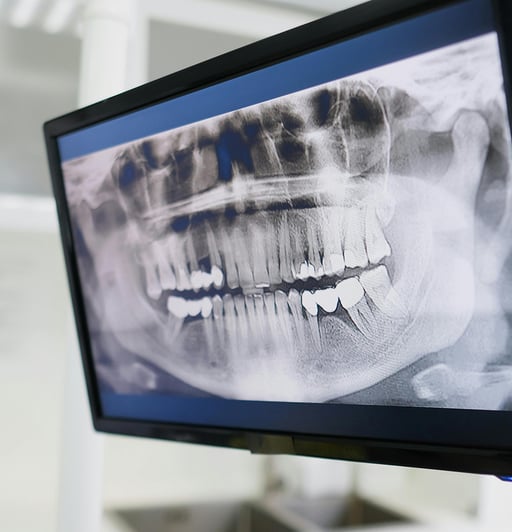
Digital X-Rays
X-rays are essential to any dental treatment plan, helping us see what’s happening below the surface and catch potential issues before they become problematic. Our digital X-rays produce high-resolution images with up to 90% less radiation than traditional X-rays.
-
 Up to 90% less radiation than traditional X-rays
 -
 High-resolution images for accurate diagnosis
 -
 Fast results—no waiting for film to develop
Are dental X-rays safe?
Yes. Our digital X-rays use up to 90% less radiation than traditional film X-rays. We also follow guidelines on frequency—you won’t be X-rayed more than necessary.
Are dental X-rays safe?
Yes. Our digital X-rays use up to 90% less radiation than traditional film X-rays. We also follow guidelines on frequency—you won’t be X-rayed more than necessary.
Fluoride Treatments
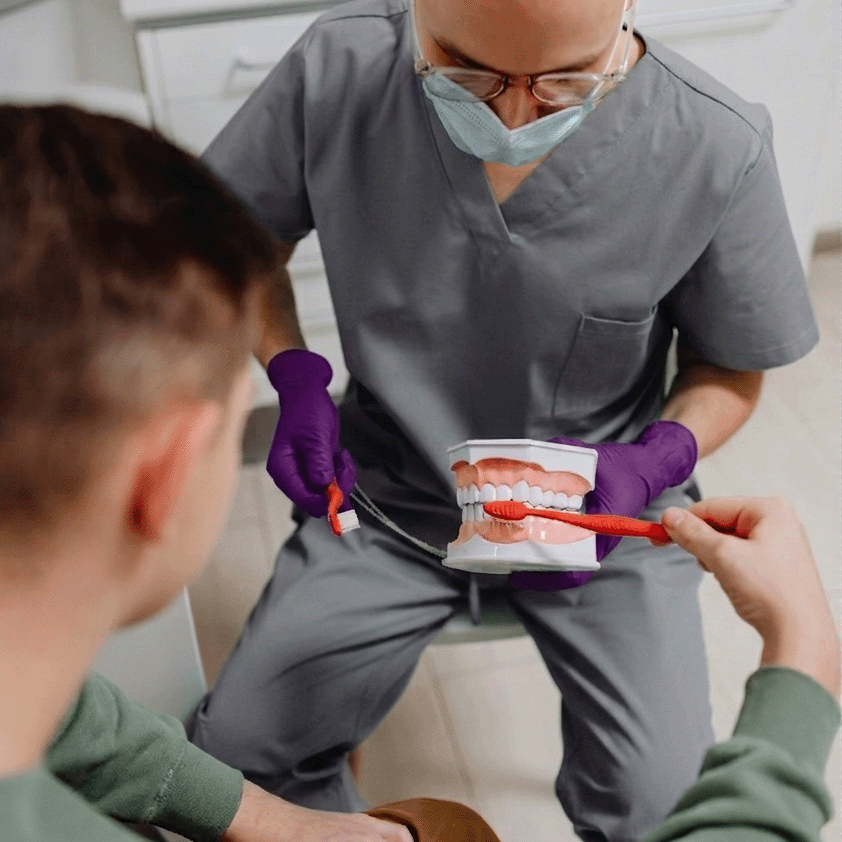
Fluoride treatments are a quick, simple way to give your teeth extra protection against decay. The treatment generally takes just a few minutes and can make a real difference, especially for children and patients prone to cavities.
-
 Takes just a few minutes
 -
 Provides extra protection against tooth decay
Do adults need fluoride treatments?
It depends on your individual risk. Adults with a history of cavities, dry mouth, gum recession, or certain medications can benefit from fluoride treatments. At Waukee Dental, we evaluate your needs at every visit and recommend it when it makes sense for you.
Do adults need fluoride treatments?
It depends on your individual risk. Adults with a history of cavities, dry mouth, gum recession, or certain medications can benefit from fluoride treatments. At Waukee Dental, we evaluate your needs at every visit and recommend it when it makes sense for you.
Regular Checkups
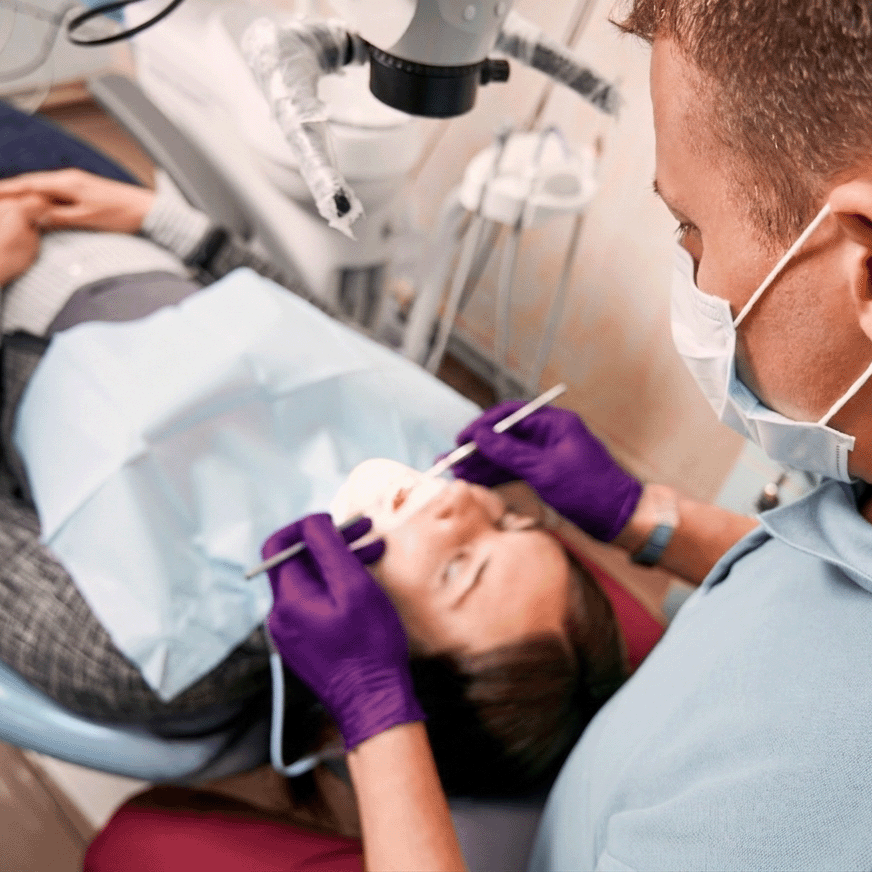
Your routine dental checkup includes a cleaning from one of our experienced hygienists and an exam to assess the overall health of your mouth. Regular checkups help prevent common problems like tooth decay and gum disease—and help us catch anything that does come up before it becomes a bigger issue.
-
Professional cleaning by an experienced dental hygienist
-
Full exam to assess teeth, gums, and overall oral health
-
Helps prevent tooth decay and periodontal disease
-
Early detection minimizes more serious problems down the road
How often should I come in for a cleaning?
Most patients benefit from a checkup and cleaning every six months. If you have a history of gum disease, we may recommend coming in every three to four months to stay ahead of it.
How often should I come in for a cleaning?
Most patients benefit from a checkup and cleaning every six months. If you have a history of gum disease, we may recommend coming in every three to four months to stay ahead of it.

Scaling & Root Planing
When plaque and tartar build up below the gumline, a regular cleaning isn’t enough. Scaling and root planing is a deep cleaning procedure that addresses gum disease at the source, helping your gums reattach to your teeth and preventing further damage.
-
 Targets plaque and tartar buildup below the gumline
 -
 Performed with local anesthetic for your comfort
 -
 Helps gums reattach to the tooth structure
 -
May be followed by periodontal maintenance visits to monitor healing
How is scaling and root planing different from a regular cleaning?
A regular cleaning addresses the surface of your teeth and just below the gumline. Scaling and root planing goes deeper, removing buildup from the root surfaces to treat active gum disease. It’s done with local anesthetic so you’re comfortable throughout.
How is scaling and root planing different from a regular cleaning?
A regular cleaning addresses the surface of your teeth and just below the gumline. Scaling and root planing goes deeper, removing buildup from the root surfaces to treat active gum disease. It’s done with local anesthetic so you’re comfortable throughout.
Night Guards
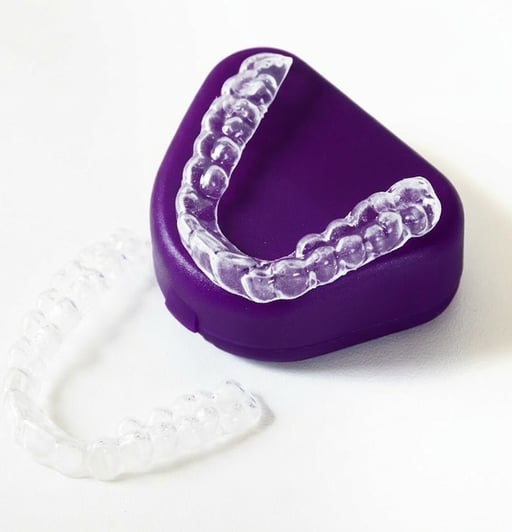
If you grind or clench your teeth while you sleep, a custom night guard can protect your teeth from damage and help relieve jaw pain and tension. Our team will fit you for a guard made specifically for your bite.
-
 Custom-fitted to your bite for maximum comfort and protection
 -
Protects teeth from grinding and clenching damage
How do I know if I need a night guard?
It's common to grind or clench your teeth while you sleep without even realizing it. If you wake up with jaw soreness, headaches, or sensitive teeth, or notice your teeth wearing down or chipping, a night guard may be a good option. We look for signs of grinding during your exam and will create a custom-fit guard if one is recommended.
How do I know if I need a night guard?
It's common to grind or clench your teeth while you sleep without even realizing it. If you wake up with jaw soreness, headaches, or sensitive teeth, or notice your teeth wearing down or chipping, a night guard may be a good option. We look for signs of grinding during your exam and will create a custom-fit guard if one is recommended.
No Dental Insurance? We’ve Got You Covered.
If you don’t have dental insurance, the Waukee Dental QDP Savings Plan can help make your preventative care more affordable. Our membership plan is designed for uninsured patients and families—with no waiting periods, no maximums, and no deductibles.
-
.svg)
Two comprehensive exams per year
-

All necessary X-rays included
-

One complimentary emergency exam
-

15% off all in-house dental treatment
-

50% off all in-house whitening
-

No waiting periods, maximums, or deductibles
Helpful Resources

Routine dental visits do more than keep your smile looking great—they help prevent small issues from becoming costly problems. Learn how regular cleanings and exams protect...

Routine dental visits do more than keep your smile looking great—they help prevent small issues from becoming costly problems. Learn how regular cleanings and exams protect...
Ready to Take the Next Step for Your Smile?