
Our Approach to Restorative Care
When a tooth is damaged, decayed, or missing, restorative dentistry repairs the problem and brings your smile back to full function. We believe in treating issues early—before a small cavity becomes a root canal, or a crack becomes a lost tooth. Our team uses advanced technology like same-day crowns and 3D scanning to make restorations more efficient and comfortable, and we take the time to make sure every result looks and feels natural. Whether you need a simple filling or a full implant, we’re here to help you get back to a smile that works.
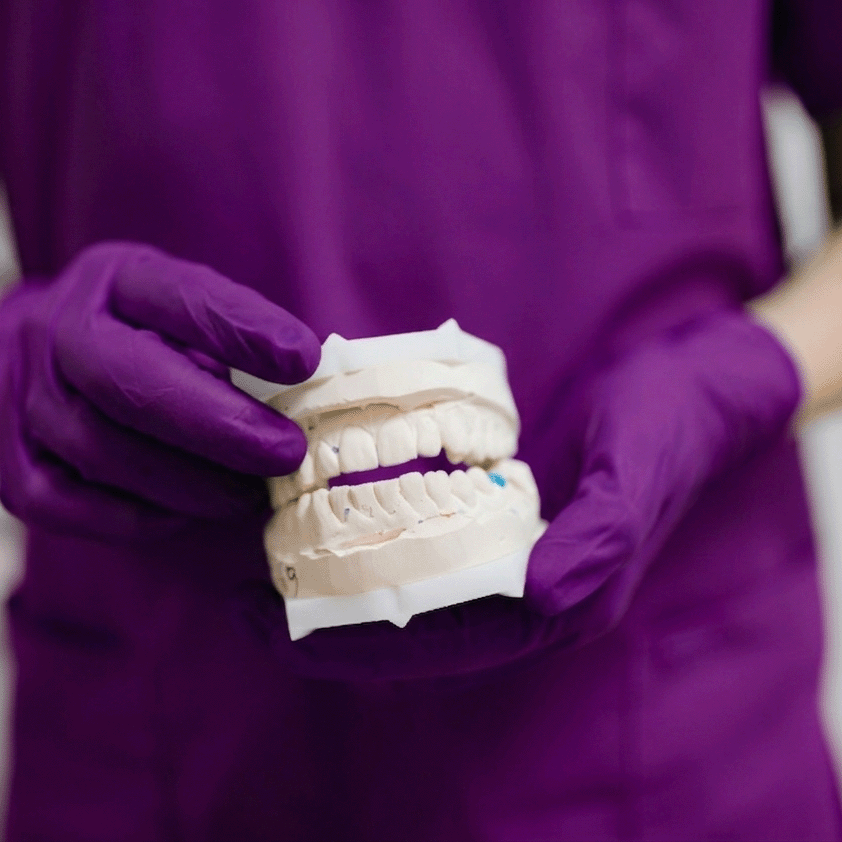
Tooth Color Fillings
Crowns & Same-Day Crowns
Bridges
Implants
Root Canals
Partials & Dentures
Extractions
Jump to a section:
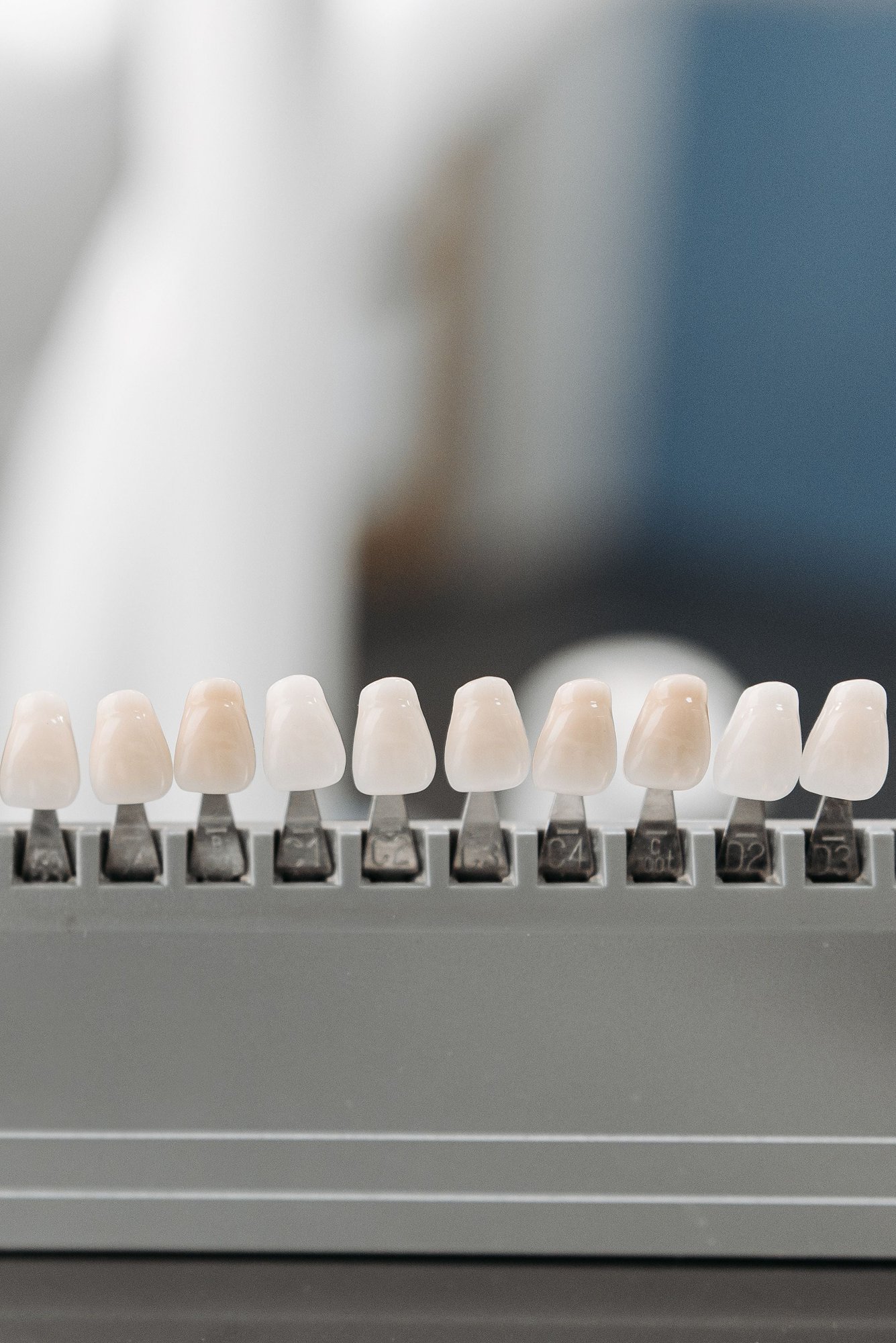
Tooth Color Fillings
Tooth-colored fillings repair cavities and minor damage while blending naturally with your existing teeth. Unlike older metal amalgam fillings, composite fillings are virtually invisible and bond directly to the tooth structure.
-
 Matches the natural color of your teeth
 -
 Bonds directly to tooth structure for a strong repair
 -
 A good option for repairing cavities and minor chips or cracks
Are tooth-colored fillings as durable as metal fillings?
In most cases, yes. Tooth-colored fillings also known as composite resin fillings are strong, durable, and an excellent choice for treating most cavities. Composite resin bonds directly to the tooth structure, which helps improve the tooth's overall strength, prevent fractures, and provide outstanding long-term results when placed properly.
Are tooth-colored fillings as durable as metal fillings?
In most cases, yes. Tooth-colored fillings also known as composite resin fillings are strong, durable, and an excellent choice for treating most cavities. Composite resin bonds directly to the tooth structure, which helps improve the tooth's overall strength, prevent fractures, and provide outstanding long-term results when placed properly.
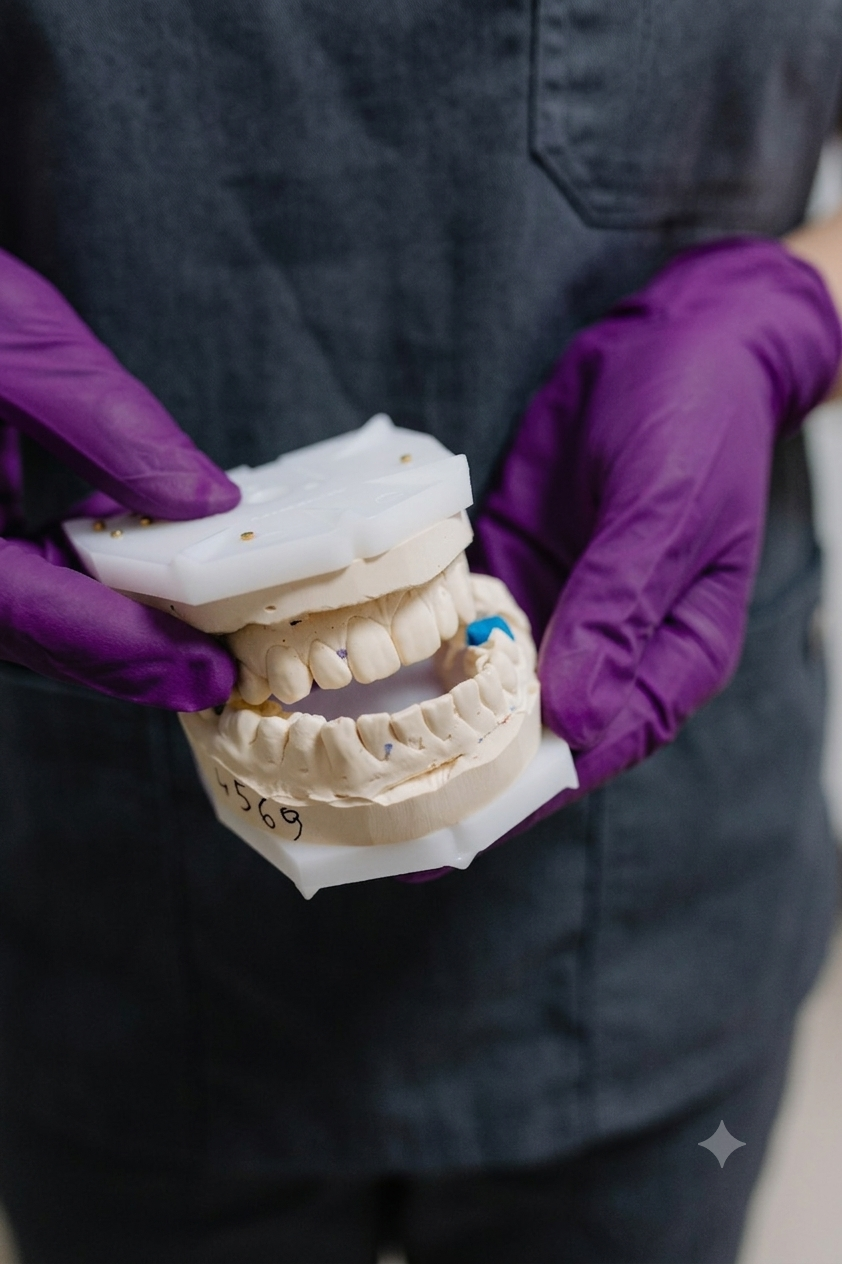
Crowns & Same-Day Crowns
A dental crown restores a damaged, decayed, or weakened tooth to its full shape, strength, and appearance. At Waukee Dental, most crowns can be designed, crafted, and placed in a single visit using our CEREC same-day crown technology—no temporary crown, no second appointment.
-
 Most crowns completed in a single visit with CEREC technology
 -
 No temporary crown and no need to come back for a second appointment in most cases
 -
Restores full function and natural appearance
-
 Complex cases may require the traditional two-visit process—we’ll let you know upfront
How long does a same-day crown appointment take?
It depends on the tooth and your treating dentist, but plan for about two hours total. The first hour covers tooth preparation and digital design. While your crown is being fabricated in-office, you're welcome to relax in the treatment room, unwind in our spa-like lobby, or run a quick errand. We'll see you back about an hour later for a 30-minute appointment to permanently seat your new crown.
Will my crown look natural?
Absolutely. At the start of your appointment, we carefully match the shade, shape, and contours of your surrounding teeth so your crown blends seamlessly with your natural smile.
How long does a same-day crown appointment take?
It depends on the tooth and your treating dentist, but plan for about two hours total. The first hour covers tooth preparation and digital design. While your crown is being fabricated in-office, you're welcome to relax in the treatment room, unwind in our spa-like lobby, or run a quick errand. We'll see you back about an hour later for a 30-minute appointment to permanently seat your new crown.
Will my crown look natural?
Absolutely. At the start of your appointment, we carefully match the shade, shape, and contours of your surrounding teeth so your crown blends seamlessly with your natural smile.
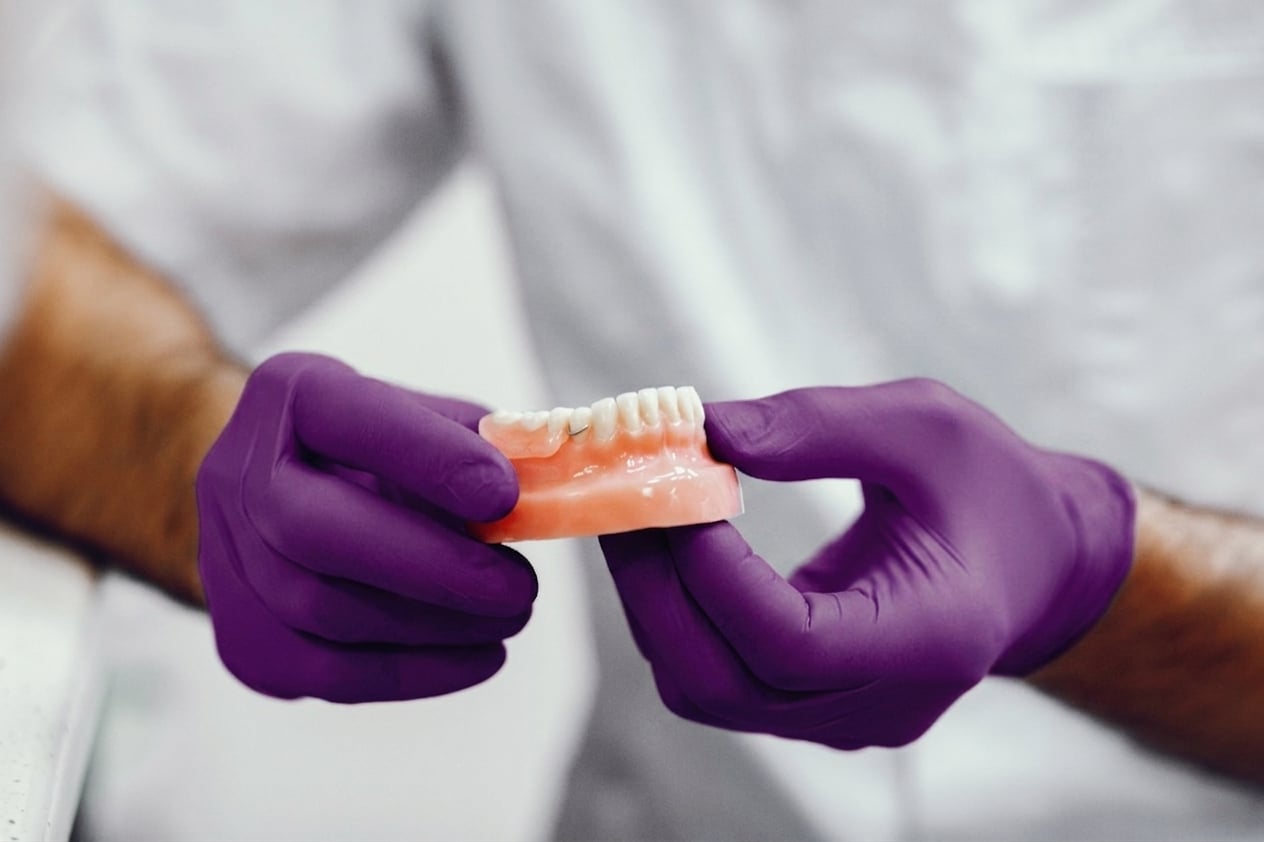
Bridges
A dental bridge fills the gap between two healthy teeth where one or more teeth are missing. A dental bridge restores your smile, improves chewing and speaking, and helps prevent neighboring teeth from shifting out of position. Each bridge is custom-made to match the shape and color of your natural teeth for a comfortable, seamless fit.
-
Replaces one or more missing teeth to restore your smile and chewing function
-
 Custom-made by your dentist to blend naturally with your surrounding teeth
 -
Fixed solution that stays in place, allowing you to eat, speak, and smile with confidence
Can I eat normally with a dental bridge?
Yes. Once your permanent bridge is in place and you've had a short time to adjust, you should be able to enjoy most of your favorite foods again. We recommend avoiding extremely hard items like ice, popcorn kernels, or hard candy to help protect your bridge and keep it lasting for years to come.
How long do dental bridges last?
With proper oral hygiene and care, dental bridges can last 10+ years. Regular dental checkups, good oral hygiene and avoiding habits like chewing on hard objects can extend their lifespan.
How do I care for my dental bridge after treatment? And, how do I floss around my dental bridge?
Caring for a bridge is similar to caring for your natural teeth — brush twice a day, floss daily, and keep up with routine cleanings. Because the bridge is attached to neighboring teeth, use a water flosser, floss threader, or super floss to clean underneath the replacement tooth.
Can I eat normally with a dental bridge?
Yes. Once your permanent bridge is in place and you've had a short time to adjust, you should be able to enjoy most of your favorite foods again. We recommend avoiding extremely hard items like ice, popcorn kernels, or hard candy to help protect your bridge and keep it lasting for years to come.
How long do dental bridges last?
With proper oral hygiene and care, dental bridges can last 10+ years. Regular dental checkups, good oral hygiene and avoiding habits like chewing on hard objects can extend their lifespan.
How do I care for my dental bridge after treatment? And, how do I floss around my dental bridge?
Caring for a bridge is similar to caring for your natural teeth — brush twice a day, floss daily, and keep up with routine cleanings. Because the bridge is attached to neighboring teeth, use a water flosser, floss threader, or super floss to clean underneath the replacement tooth.
Implants
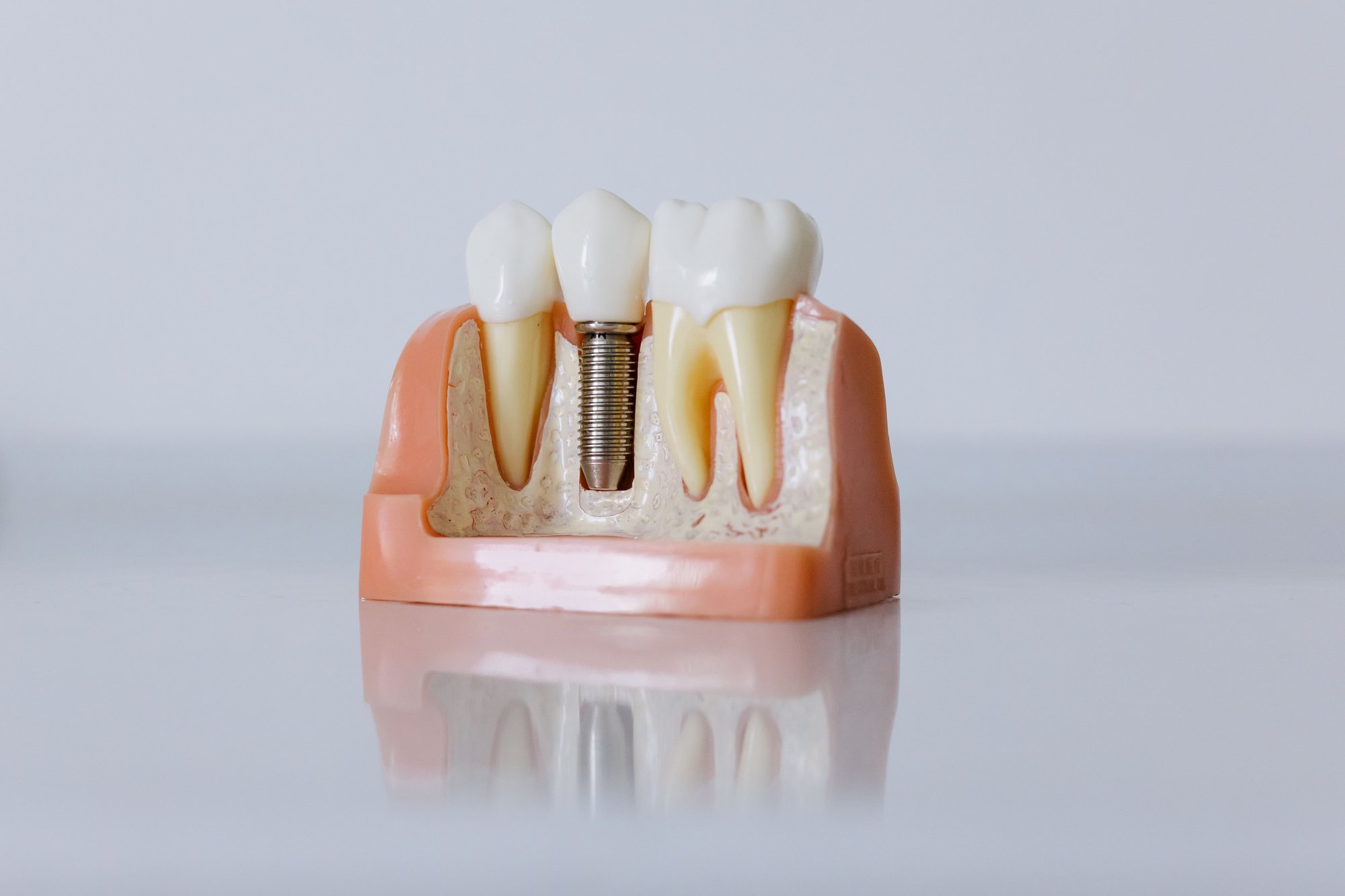
Dental implants are used to replace a single tooth, several teeth, or to support dentues. Today, dental implants are the standard of care for patients seeking to replace one or more missing teeth.
-
Dental implants are standard for patients seeking to replace one or more missing teeth
-
 The success rate of a single tooth dental implant is 95%
 -
 They serve to stabilize, protect, and preserve the surrounding teeth and tissue
 -
 Dental implants consist of three parts: dental implant post, abutment, and crown
How do I know if I am a good candidate for a dental implant?
At your regular dental examination or at a consultation, your Waukee Dental dentist and your implant specialist (oral surgeon or periodontist, dependent on situation) for your dental implant will evaluate your oral health, bone support, and overall goals to determine if an implant is the best option for you.
How long does a dental implant last?
Dental implants are designed to last a lifetime; however, they do require ongoing maintenance and upkeep.
How do I know if I am a good candidate for a dental implant?
At your regular dental examination or at a consultation, your Waukee Dental dentist and your implant specialist (oral surgeon or periodontist, dependent on situation) for your dental implant will evaluate your oral health, bone support, and overall goals to determine if an implant is the best option for you.
How long does a dental implant last?
Dental implants are designed to last a lifetime; however, they do require ongoing maintenance and upkeep.
Root Canals
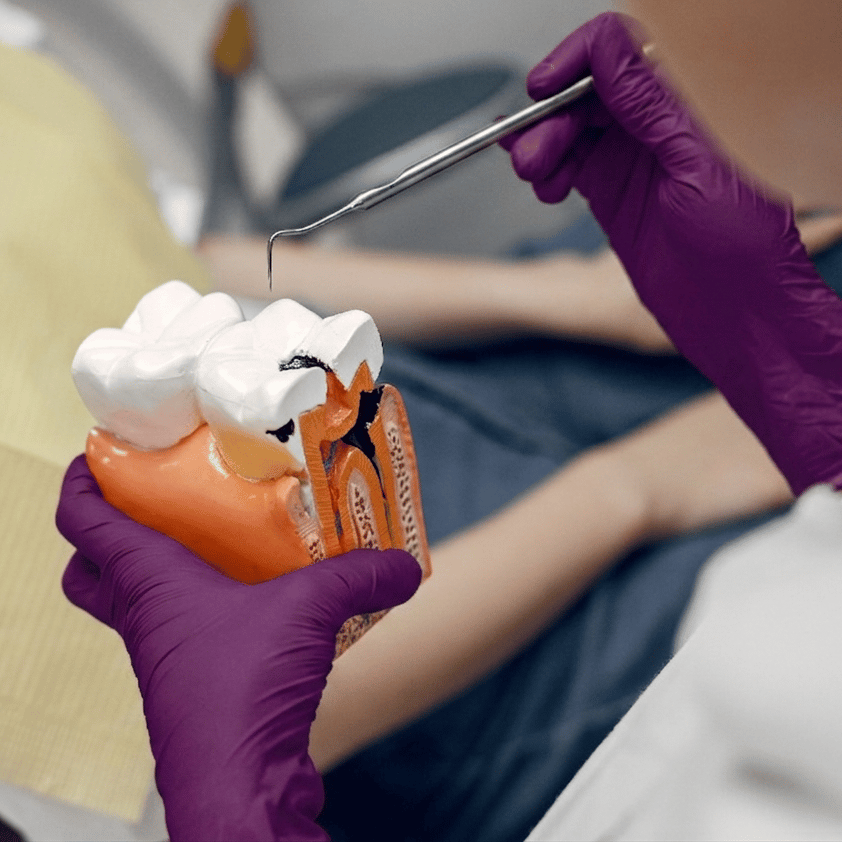
When a tooth's pulp or nerve becomes damaged by injury or infection, a root canal removes the infected tissue, cleans the inside of the tooth, and seals it to prevent reinfection — saving your natural tooth and relieving discomfort. Your comfort is our priority throughout.
-
 Relieves pain and removes infection from inside the tooth
 -
Saves your natural tooth and helps prevent the need for an extraction
-
 Topical and local anesthetic used to keep you comfortable throughout
 -
 Nitrous oxide sedation available for patients who need extra support
Are root canals painful?
Your comfort is a top priority at Waukee Dental. Before beginning root canal treatment, we thoroughly anesthetize the tooth and surrounding area to help you remain comfortable throughout the procedure. Your provider will review your individual needs and treatment options with you, including comfort measures such as nitrous oxide sedation. For more complex cases, we may partner with a trusted local specialist who offers advanced treatment techniques.
Are root canals painful?
Your comfort is a top priority at Waukee Dental. Before beginning root canal treatment, we thoroughly anesthetize the tooth and surrounding area to help you remain comfortable throughout the procedure. Your provider will review your individual needs and treatment options with you, including comfort measures such as nitrous oxide sedation. For more complex cases, we may partner with a trusted local specialist who offers advanced treatment techniques.
Partials & Dentures
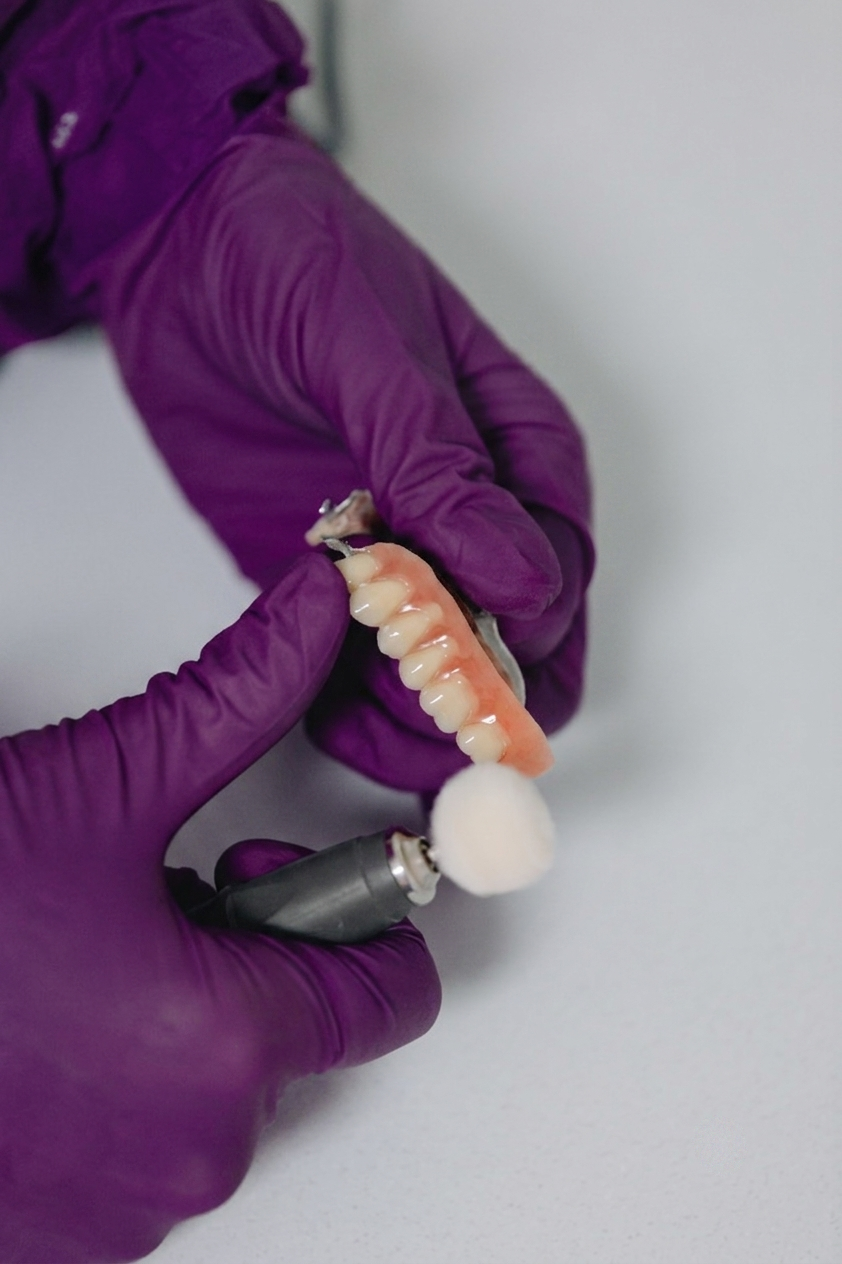
If you're missing one or more teeth, dentures may be an effective solution for restoring your smile's function and appearance. At Waukee Dental, we provide customized full and partial dentures designed to improve your ability to chew, support your oral health, and help you smile with confidence.
-
 Replaces missing teeth and restores your smile's natural appearance
 -
 Custom-made to fit your mouth
 -
Can replace a full arch or one tooth
-
 Your provider will recommend the solution that best fits your needs
How long does it take to fabricate a denture?
Depending on whether we're replacing an existing denture or fabricating a new one, the process typically takes several weeks and requires a few appointments to ensure proper fit, function, and appearance. Your provider will create a personalized timeline based on your individual needs.
Are traditional impressions or digital scans used to make dentures?
Depending on your individual needs, your Waukee Dental provider may use traditional impressions, digital scanning technology, or a combination of both to create your dentures. We’ll choose the method that provides the most accurate fit and comfortable experience for you.
How long do dentures last?
Dentures typically last five to ten years depending on daily care, wear, and your overall oral health. Over time, changes to your gums and jawbone can affect fit, so regular checkups are important. Adjustments and relines may occasionally be recommended.
Do dentures affect speech?
At first, speaking with dentures may feel a bit unusual, especially if you’re not used to them. However, most people quickly adjust, and speaking becomes more natural over time. The Waukee Dental team will provide your with tips and tricks to assist in the adjustment period.
How do I clean my dentures?
Brush your dentures daily with a soft-bristled brush and mild soap or denture cleaner — avoid regular toothpaste as it can damage the surface. Rinse after eating and soak overnight in water or a denture-cleaning solution.
How long does it take to fabricate a denture?
Depending on whether we're replacing an existing denture or fabricating a new one, the process typically takes several weeks and requires a few appointments to ensure proper fit, function, and appearance. Your provider will create a personalized timeline based on your individual needs.
Are traditional impressions or digital scans used to make dentures?
Depending on your individual needs, your Waukee Dental provider may use traditional impressions, digital scanning technology, or a combination of both to create your dentures. We’ll choose the method that provides the most accurate fit and comfortable experience for you.
How long do dentures last?
Dentures typically last five to ten years depending on daily care, wear, and your overall oral health. Over time, changes to your gums and jawbone can affect fit, so regular checkups are important. Adjustments and relines may occasionally be recommended.
Do dentures affect speech?
At first, speaking with dentures may feel a bit unusual, especially if you’re not used to them. However, most people quickly adjust, and speaking becomes more natural over time. The Waukee Dental team will provide your with tips and tricks to assist in the adjustment period.
How do I clean my dentures?
Brush your dentures daily with a soft-bristled brush and mild soap or denture cleaner — avoid regular toothpaste as it can damage the surface. Rinse after eating and soak overnight in water or a denture-cleaning solution.
Extractions
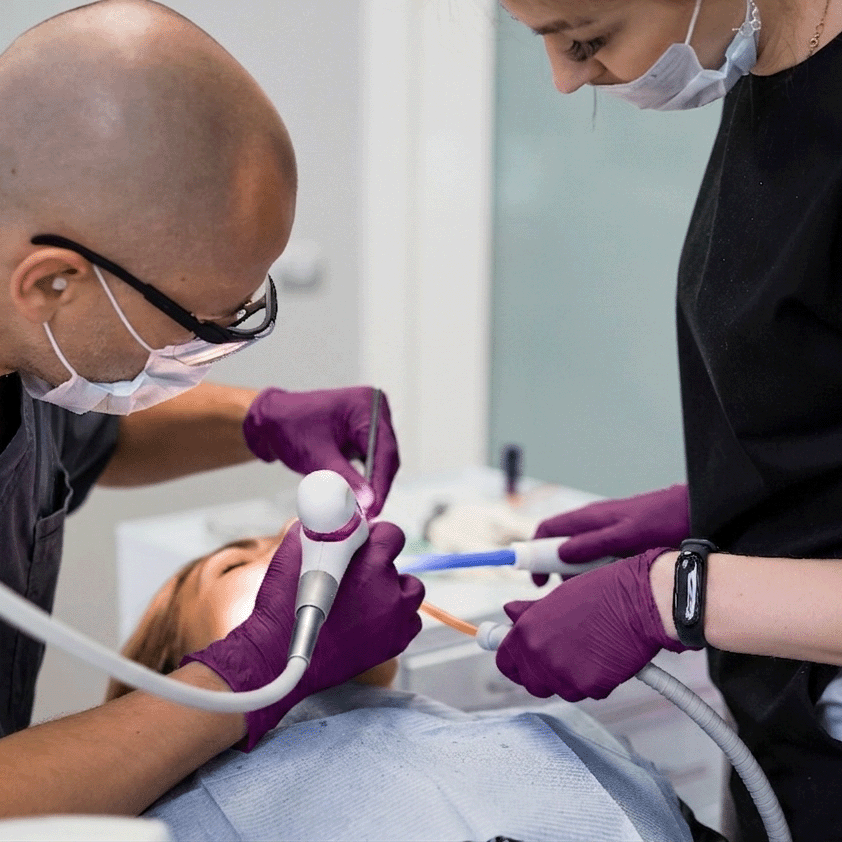
Preserving your natural teeth is always our goal, but an extraction may sometimes be the best option for protecting your oral health. Common reasons include severe decay, infection, advanced gum disease, significant damage, or overcrowding. We'll thoroughly numb the area before treatment and nitrous oxide sedation is available for anxious patients.
-
Recommended when a tooth cannot be predictably restored
-
Protects surrounding teeth and overall oral health
-
Nitrous oxide sedation available for nervous patients
-
Tooth replacement options discussed when appropriate, including implants, bridges, and partials
What should I expect after a tooth extraction?
Your provider will review post-op instructions with you before you leave. For the first hour, bite down gently on the gauze placed at the extraction site. If bleeding persists, replace with fresh gauze and reapply pressure for 30 minutes. Avoid straws and smoking for at least 48 hours to allow the clot to form. Some discomfort and minor swelling are normal — swelling typically peaks 2-3 days after the procedure. Over-the-counter pain relievers like ibuprofen or Tylenol can help, and your provider will recommend a specific protocol based on your health history.
What should I expect after a tooth extraction?
Your provider will review post-op instructions with you before you leave. For the first hour, bite down gently on the gauze placed at the extraction site. If bleeding persists, replace with fresh gauze and reapply pressure for 30 minutes. Avoid straws and smoking for at least 48 hours to allow the clot to form. Some discomfort and minor swelling are normal — swelling typically peaks 2-3 days after the procedure. Over-the-counter pain relievers like ibuprofen or Tylenol can help, and your provider will recommend a specific protocol based on your health history.
No Dental Insurance? We’ve Got You Covered.
If you don’t have dental insurance, the Waukee Dental QDP Savings Plan can help make your preventative care more affordable. Our membership plan is designed for uninsured patients and families—with no waiting periods, no maximums, and no deductibles.
-
.svg)
Two comprehensive exams per year
-

All necessary X-rays included
-

One complimentary emergency exam
-

15% off all in-house dental treatment
-

50% off all in-house whitening
-

No waiting periods, maximums, or deductibles
Helpful Resources

Routine dental visits do more than keep your smile looking great—they help prevent small issues from becoming costly problems. Learn how regular cleanings and exams protect...

Routine dental visits do more than keep your smile looking great—they help prevent small issues from becoming costly problems. Learn how regular cleanings and exams protect...
Ready to Take the Next Step for Your Smile?